

Finding the right bra for sagging breasts is not just about lift—it’s about comfort, structure, and confidence throughout the day. Whether you’re dealing with post-pregnancy changes, weight fluctuations, or natural aging, choosing the right supportive bra can significantly improve shape, posture, and daily comfort.
Why Do Breasts Sag Over Time?
Sagging breasts occur due to gradual changes in skin elasticity and tissue support.
Key Causes:
- Ageing reduces collagen and skin firmness
- Gravity pulls breast tissue downward over time
- Pregnancy & breastfeeding stretch tissue
- Weight fluctuations affect volume and elasticity
- Genetics influence breast structure
- Larger bust size increases natural weight
What to Look for in Bras for Saggy Boobs
Before choosing specific styles, it helps to understand the structural features that influence lift, stability, and long-hour comfort. When selecting bras for saggy boobs, these design elements make the most visible difference:
- Cup structure and moulding: Well-constructed or lightly moulded cups help shape and support the bust, encouraging a more lifted appearance.
- Full coverage vs demi coverage: Higher coverage styles provide greater containment and stability, especially for fuller busts, while demi cups offer lighter support.
- Strap width and adjustability: Wider, adjustable straps distribute weight more evenly and improve overall comfort.
- Underband strength: A secure underband anchors the bra and provides the primary support, preventing the cups from shifting.
- Side wings for containment: Broader side panels help gather and hold tissue for a smoother, more secure fit.
- Wired vs non-wired support: Underwired styles offer structured lift, while well-designed non-wired bras provide comfortable shaping with flexible support.
These foundational features are what distinguish everyday options from the best bras for women who seek reliable lift and balanced support.
Best Types of Bras for Saggy Breasts
Choosing the right style can make a visible difference when breasts begin to lose firmness. The goal is not dramatic lift, but better positioning, balanced support, and improved silhouette under clothing. Here are the most supportive types of bras for women when lift and containment matter more.
Full Coverage Bras
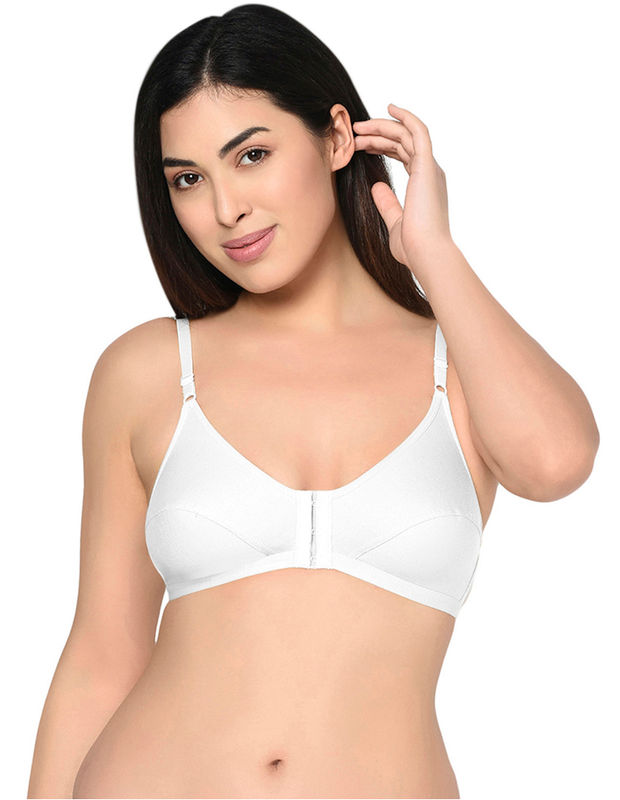
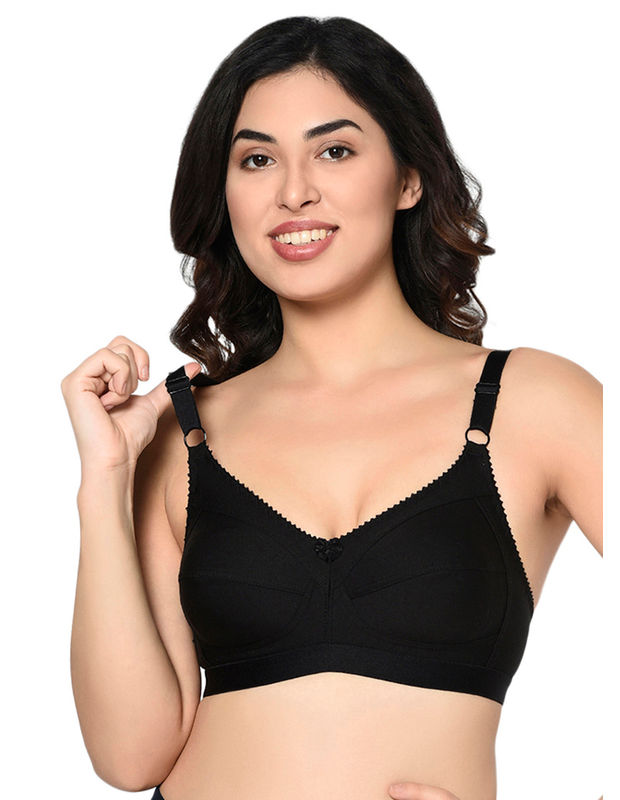
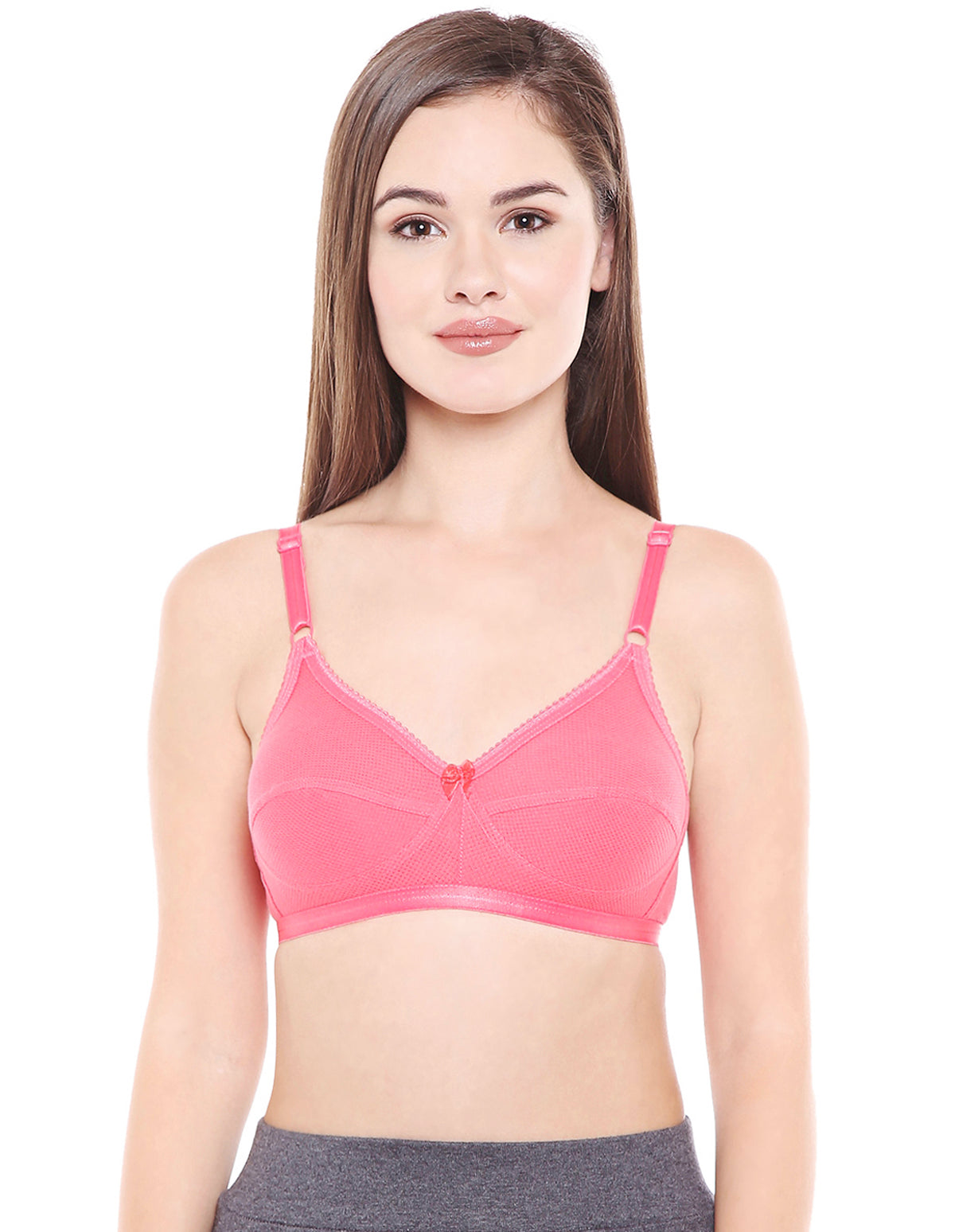
For women noticing more pronounced sagging, full coverage designs offer dependable containment. By enclosing more of the breast tissue, they help reduce downward pull and maintain a more lifted appearance throughout the day.
A full coverage bra for heavy breasts is especially helpful when additional stability is needed, as the added cup height and supportive side panels improve balance and reduce excess movement. These styles are available in both wired and non-wired constructions, allowing you to choose between structured lift and flexible comfort. This style works best when maximum support and a secure, structured fit are priorities.
Padded Bras
A structured padded bra can help restore shape when the upper bust appears softer or less full. Moulded cups encourage a rounded silhouette and prevent the fabric from collapsing inward, which can happen with sagging.
Light padding offers subtle lift and better positioning without feeling bulky, making it a reliable bra for saggy breasts that needs everyday shaping with moderate support. Some padded styles include underwire for added lift, while non-wired versions focus on comfort with gentle shaping.
Push-Up Bras
A push-up bra can be effective when sagging is more noticeable in the upper bust area. By gently redistributing volume upward, it enhances fullness and creates a more centred look.
This style works best when moderate lift is desired, especially for outfits that benefit from enhanced upper shape without requiring full coverage support. A well-constructed push-up offers lift through cup design rather than through excessive compression.
T-Shirt Bras
T-shirt bras are designed with smooth, moulded cups that create an even finish under fitted clothing. For women experiencing sagging, these bras help maintain a clean, rounded shape without visible lines.
Structured T-shirt bras provide stable shaping and positioning, making them particularly useful when wearing clingy fabrics or lightweight tops. Available in both wired and non-wired styles, they balance smoothness with everyday support.

Choosing Based on Bust Type and Support Needs
Sagging does not look the same for everyone. The way support is needed can vary depending on where fullness sits, how much natural weight the bust carries, and how structured you prefer your bras to feel. Instead of focusing on categories, it helps to think about what your bust needs most.
- If the lower part of the bust feels heavier, choose bras with firm base support and upward positioning. Structured full coverage styles often work well here because they lift from the bottom rather than compress from the top.
- If the upper bust appears softer or less filled, moulded cups or a well-designed padded bra can improve roundness and restore visual balance.
- If shoulder strain is noticeable, look for wider straps and a strong underband. Much of the lift should come from the band, not the straps alone.
- If overall sagging feels more pronounced, especially in fuller busts, bras with higher side panels and reinforced cup construction provide better stability and reduce excess movement.
Fit Makes the Biggest Difference
Even the most supportive design cannot perform well if the fit is incorrect. When choosing bras for saggy boobs, sizing and structure work together. A bra that fits properly distributes weight evenly, improves lift, and prevents additional strain on breast tissue over time.
Why Size Matters More Than You Think
Poor support often begins with the wrong band size. The band provides most of the lift, and if it is too loose, the weight of the breasts pulls the front downward due to gravity. Over time, this lack of proper anchoring can make sagging appear more pronounced.
How to Check Your Band Fit
- The band should sit straight and level across your back, not ride upward.
- You should be able to place two fingers under the band comfortably, but not with excessive space.
- If the band feels loose on the tightest hook early on, you may need a smaller band size and a slightly larger cup size to maintain balance.
Straps Support, But Do Not Replace the Band
Straps should rest securely on the shoulders without digging in. If you find yourself tightening them frequently to compensate for lack of lift, the band is likely not offering enough support.
When to Reassess Your Fit
Body measurements can change due to weight shifts, hormonal cycles, or life stages. If your bra feels less supportive than before, the cups gap or spill, or the band loses elasticity, it may be time for a refit or replacement.
Find Your Perfect Support with Bodycare
True support is about feeling secure, comfortable, and confident in your own shape. A well-designed bra should gently lift, hold, and align without creating pressure or discomfort. At Bodycare, each style is crafted with balanced structure, breathable materials, and dependable construction so that support feels steady and natural throughout the day.
Explore the complete range of bras on our website and discover styles created to support you through long hours of wear. For any assistance or fit guidance, our customer care team is available at 0120-4686444 or you can write to wecare@bodycarecreations.com.

